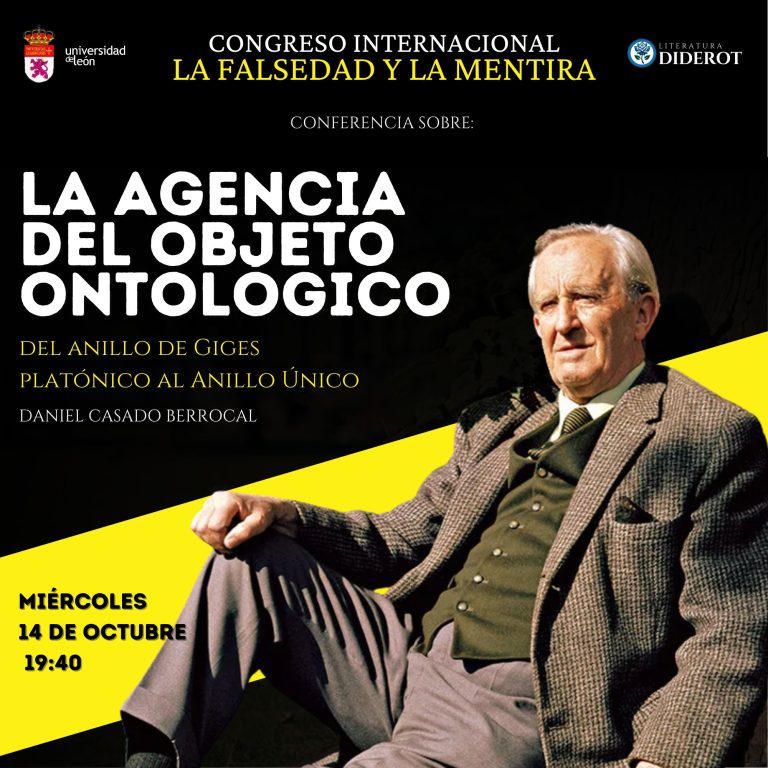
El próximo 14 de octubre de 2026 Daniel Casado ofrecerá una conferencia sobre la agencia del objeto y hablará sobre el anillo de Giges y el Anillo Único de J.R.R. Tolkien en el marco del II Congreso Internacional Falsedad y Mentira. La conferencia versará alrededor del concepto de objeto como materia vibrante, defendida por la Object Oriented Ontology, una nueva ciencia especulativa que intenta conocer el comportamiento de los objetos desde una perspectiva anticorrelacionista. La conferencia se ofrecerá en abierto y se podrá acceder a ella a través del siguiente enlace:
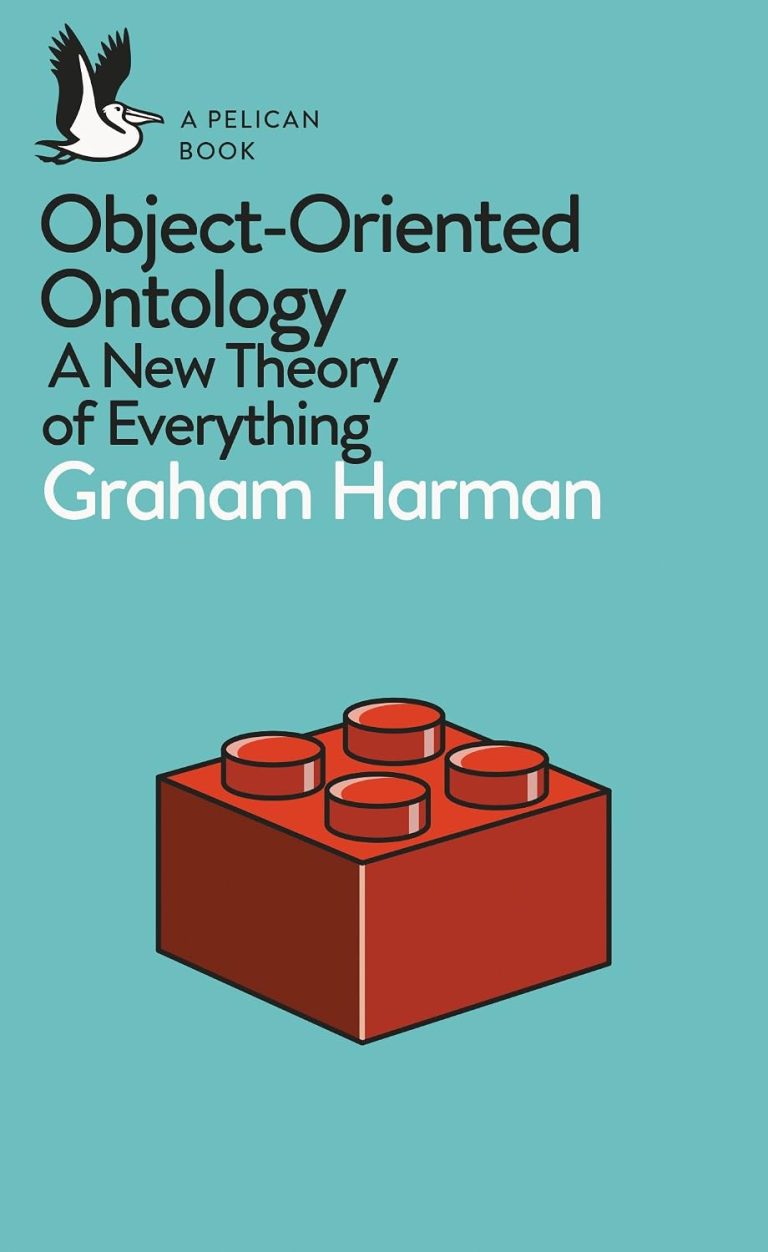
We humans tend to believe that things are only real in as much as we perceive them, an idea reinforced by modern philosophy, which privileges us as special, radically different in kind from all other objects. But as Graham Harman, one of the theory’s leading exponents, shows, Object-Oriented Ontology rejects the idea of human specialness: the world, he states, is clearly not the world as manifest to humans. At the heart of this philosophy is the idea that objects – whether real, fictional, natural, artificial, human or non-human – are mutually autonomous. In this brilliant new introduction, Graham Harman lays out the history, ideas and impact of Object-Oriented Ontology, taking in everything from art and literature, politics and natural science along the way.
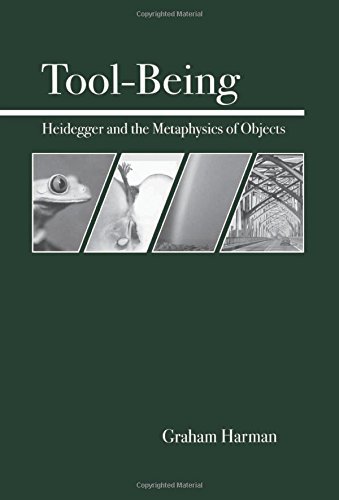
Tool-Being: Heidegger and the Metaphysics of Objects (2002), de Graham Harman, es una obra fundamental del realismo especulativo que propone una ontología orientada a objetos basada en la relectura y expansión del análisis heideggeriano de la herramienta. El texto sostiene que todos los objetos poseen una realidad profunda e inaccesible que excede cualquier uso o relación humana
Durante siglos los modernos construyeron su mundo y sus ciencias separando tajantemente naturaleza y cultura. El mundo y el hombre como dos realidades separadas. Objetos que eran apenas tocados, o ni siquiera, por sujetos que conocen, transforman y rompen.
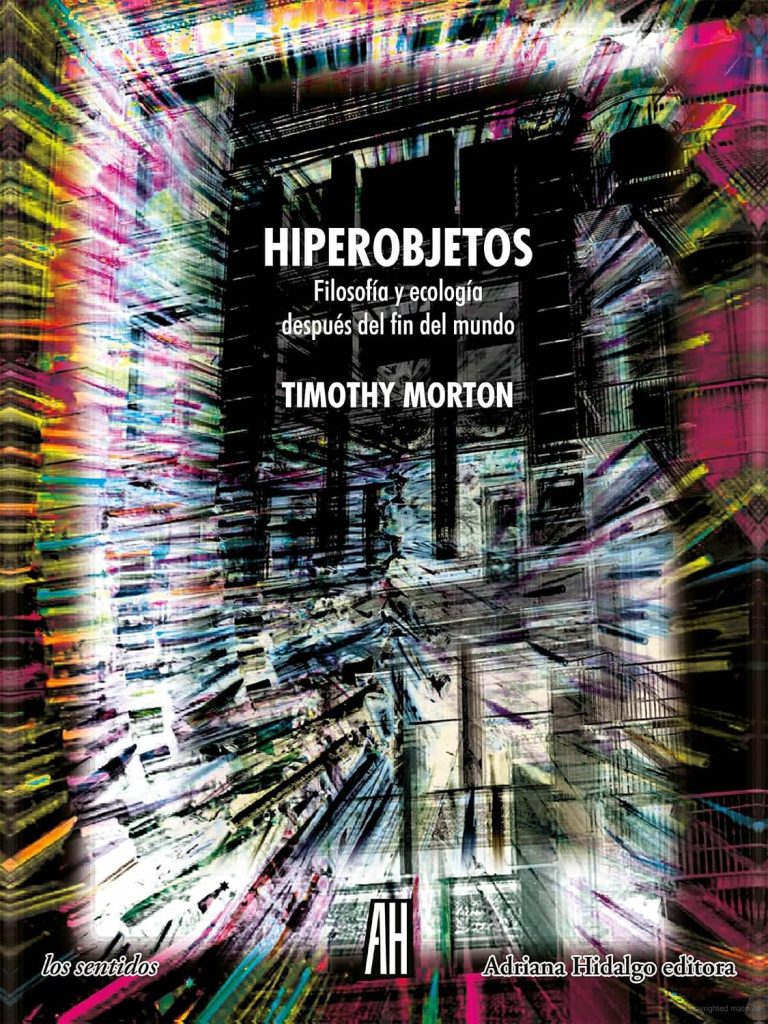
Timothy Morton acuñó el término «hiperobjeto» para referirse a las cosas que se distribuyen masivamente en tiempo y espacio en relación con los humanos. Son directamente responsables de lo que Morton llama «El fin del mundo», volviendo obsoletas tanto la mirada apocalíptica sobre la crisis ambiental, como su negación. Los hiperobjetos ya han inaugurado una nueva fase humana de hipocresía, debilidad e inconsistencia.
Una montaña de basura, un trozo de metal, gusanos hambrientos, huracanes y células madre son algunos de los protagonistas de este ambicioso trabajo de Jane Bennett en el que expone por primera vez su teoría de una materialidad viva. Nuestro hábito conceptual tiende a dividir el mundo en elementos inorgánicos y vida orgánica y a trazar una distinción jerárquica entre lo humano y lo no-humano. ¿Pero qué pasaría si asumiéramos el desafío de dejar de considerar a la materia como una sustancia no organizada o inerte? ¿Y si en lugar de relegar a la naturaleza a ser el escenario pasivo de nuestro drama humano le otorgáramos también capacidad de acción? La perspectiva materialista ha ocupado, desde Marx en adelante, un rol central en el campo de las ciencias sociales.
Reassembling the Social is a fundamental challenge from one of the world’s leading social theorists to how we understand society and the «social». Bruno Latour’s contention is that the word «social» as used by Social Scientists has become laden with assumptions to the point where it has become a misnomer. When the adjective is applied to a phenomenon, it is used to indicate a stabilized state of affairs, a bundle of ties that in due course may be used to account for another phenomenon. Latour also finds the word used as if it described a type of material, in a comparable way to an adjective such as «wooden» or «steely».